Sequenced FuzzAU/VST3Mac/Win
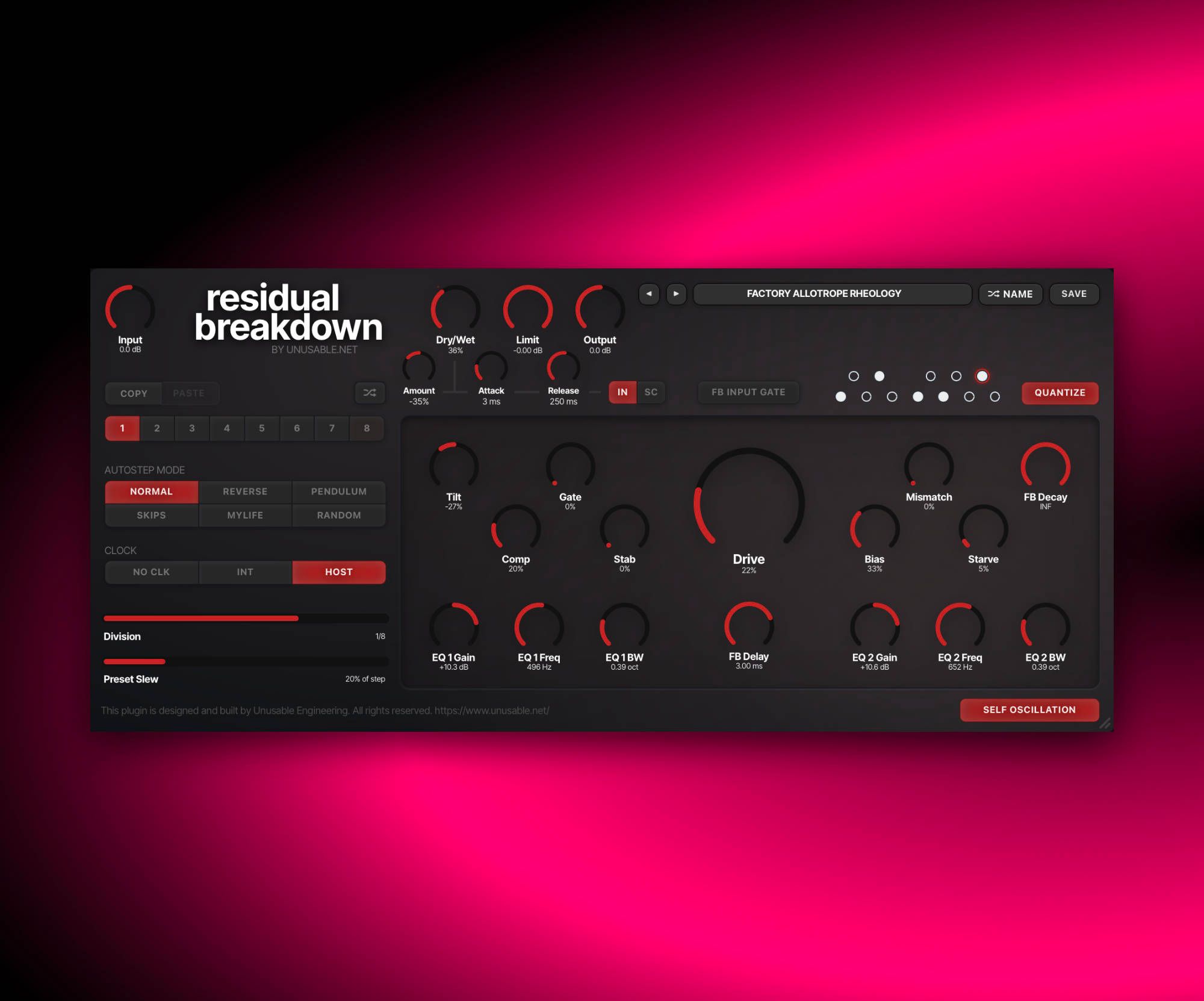
Residual Breakdown
A transistor-inspired fuzz with self-oscillation, pitch quantization, side-chain-controlled mix, and an 8-slot sequencer.

Effects are often more important than the source material. I try to build effects that bring motion and surprises and hopefully inspire new musical ideas. The goal is to keep it simple and rewarding, whether it is circuit-inspired modulation, physical spring depth, thermodynamic dynamics, or fluid-style distortion. Start by finding that sweet setting, and then morph it into something else and back. A sonic world full of inspiration.
A transistor-inspired fuzz with self-oscillation, pitch quantization, side-chain-controlled mix, and an 8-slot sequencer.
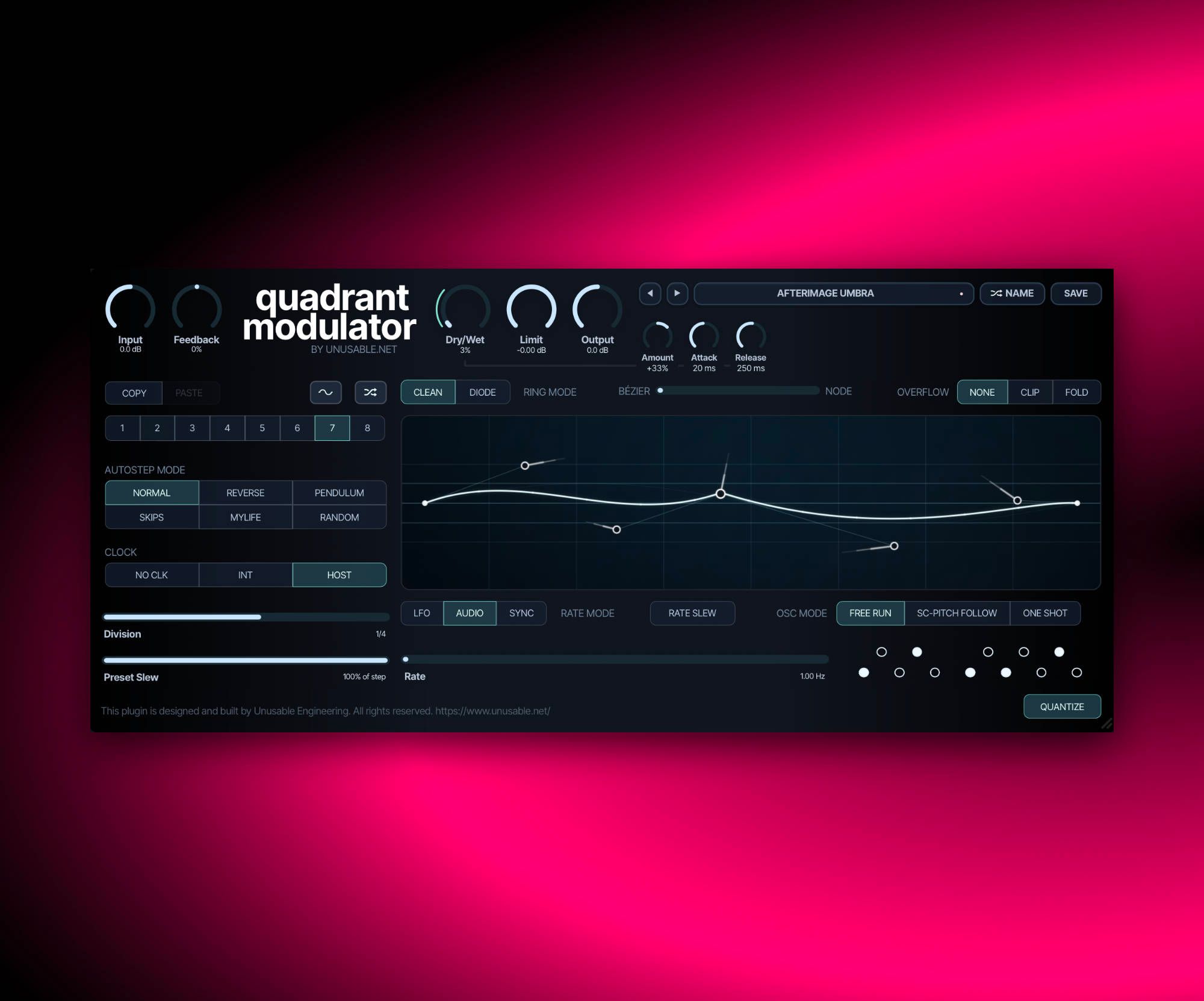
A four-quadrant multiplier with a bezier oscillator, pitch following, one-shot shaping, and an 8-slot waveform sequencer.
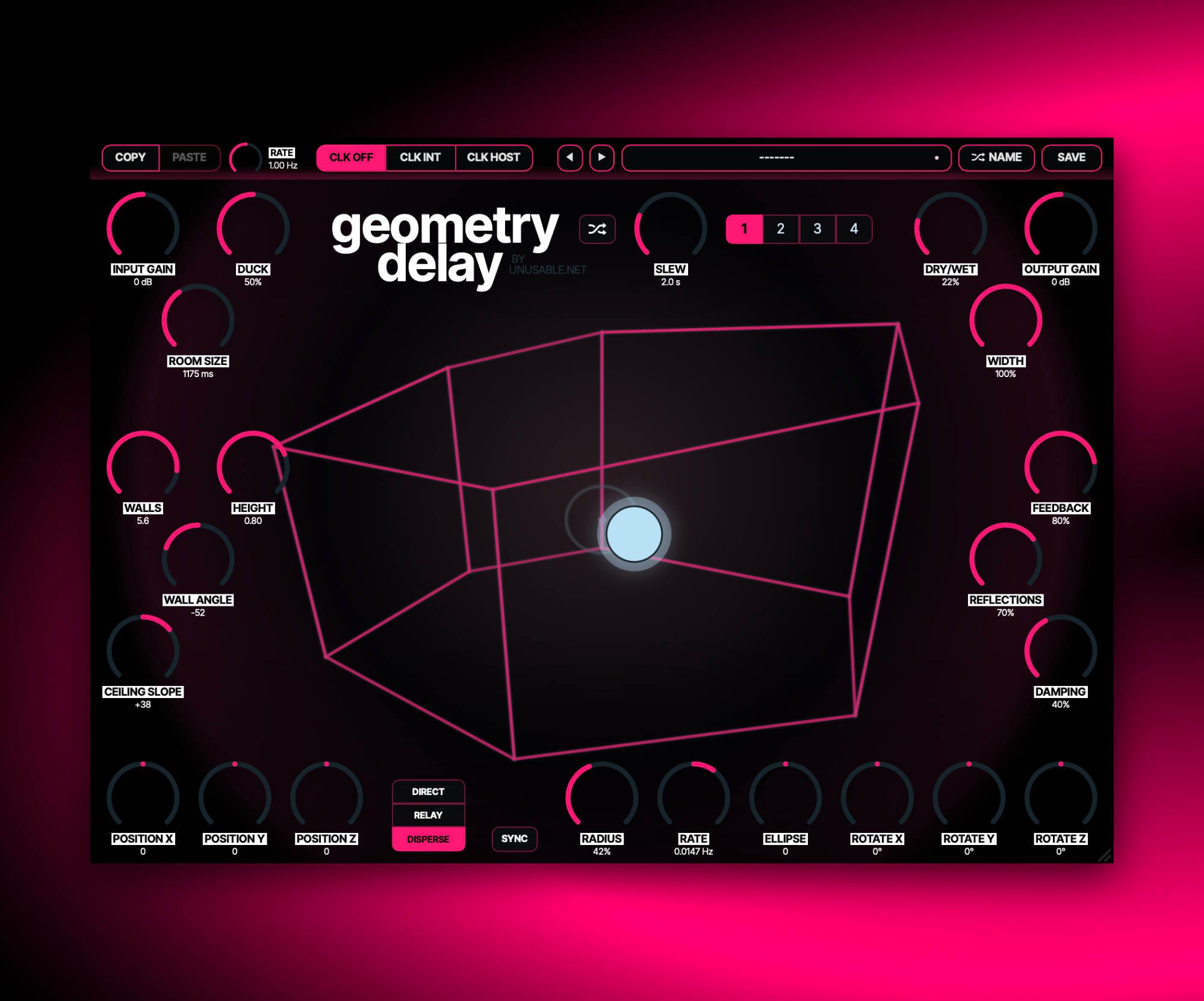
A quick, surprising multi-tap delay where room shape and node motion control the echoes.
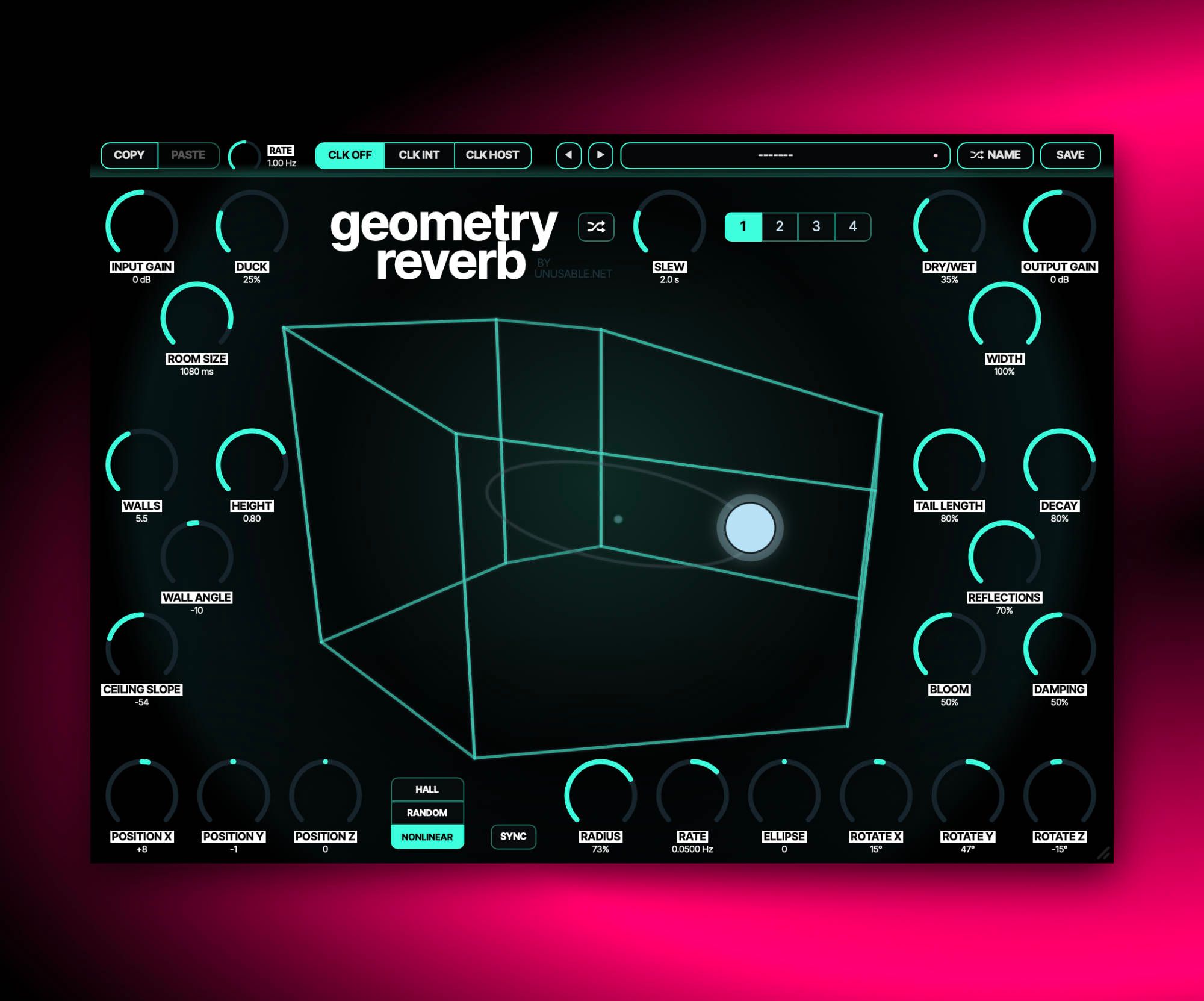
A hall reverb that uses a room-based abstraction model with 3D orbital modulation.
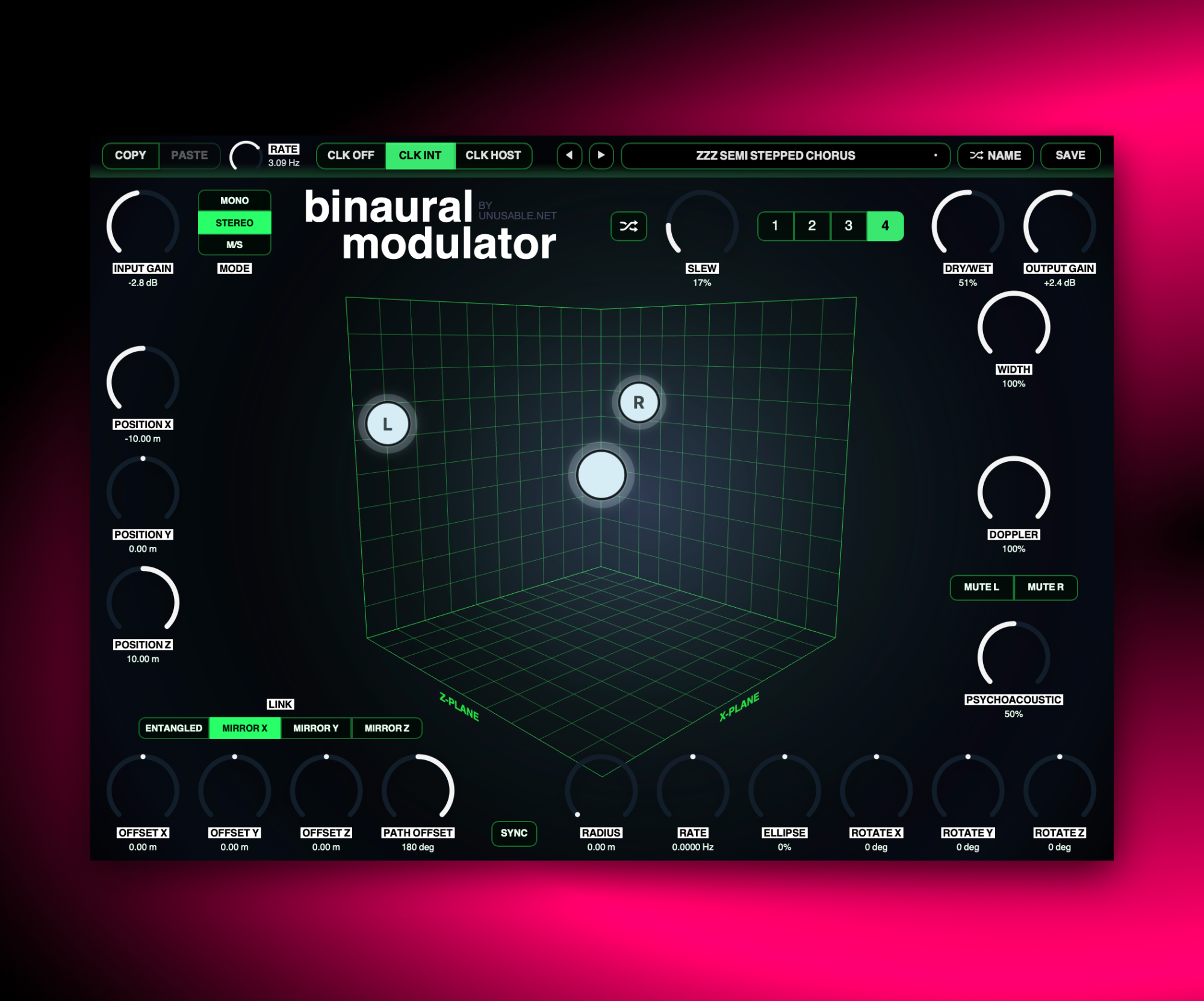
A room-model auto-pan that can drift into tremolo, Leslie-ish movement, chorus, and more.
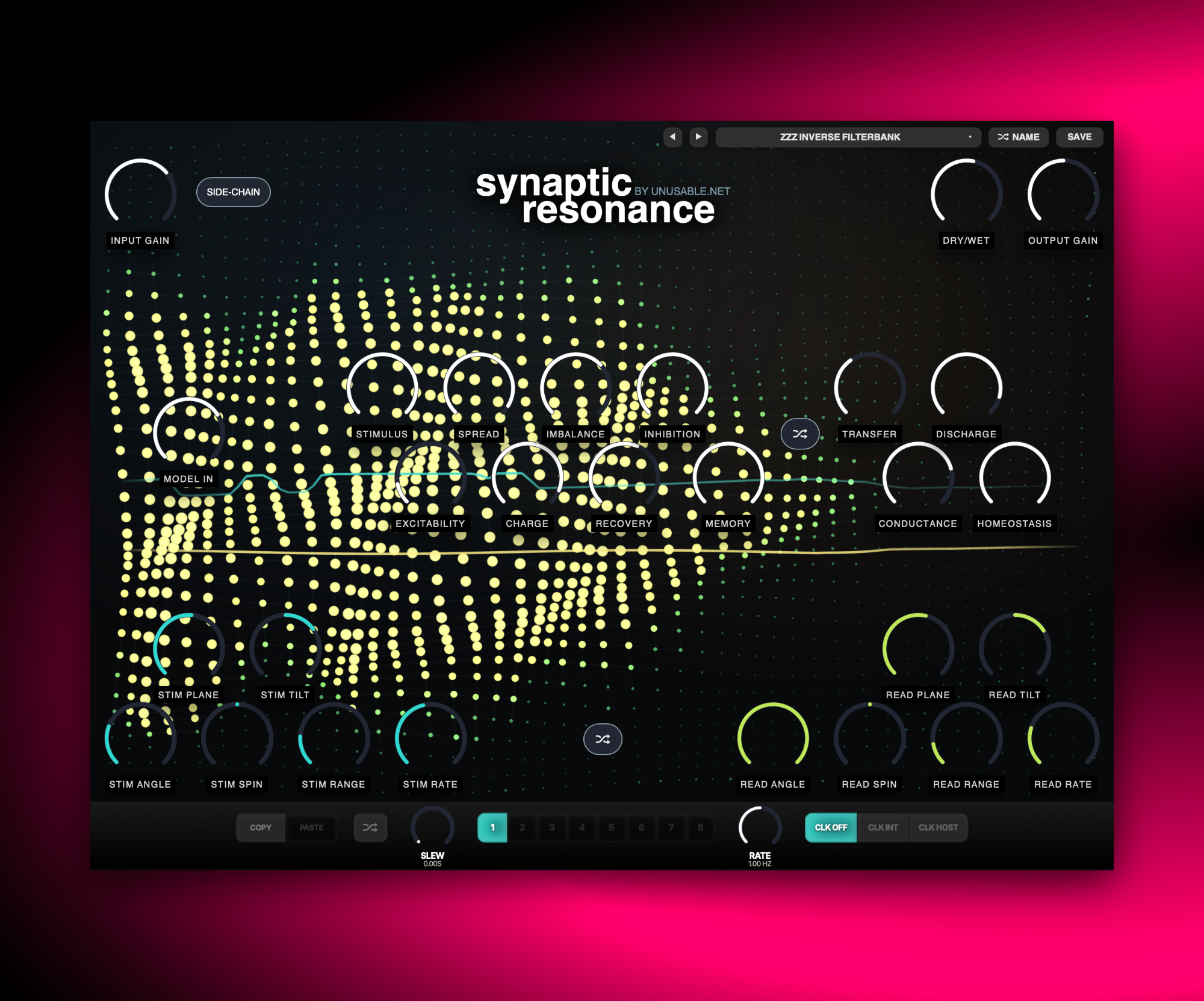
A neural vocoder-style effect where input signal excites a 2D simulation that drives a 40-band resonant filter bank.
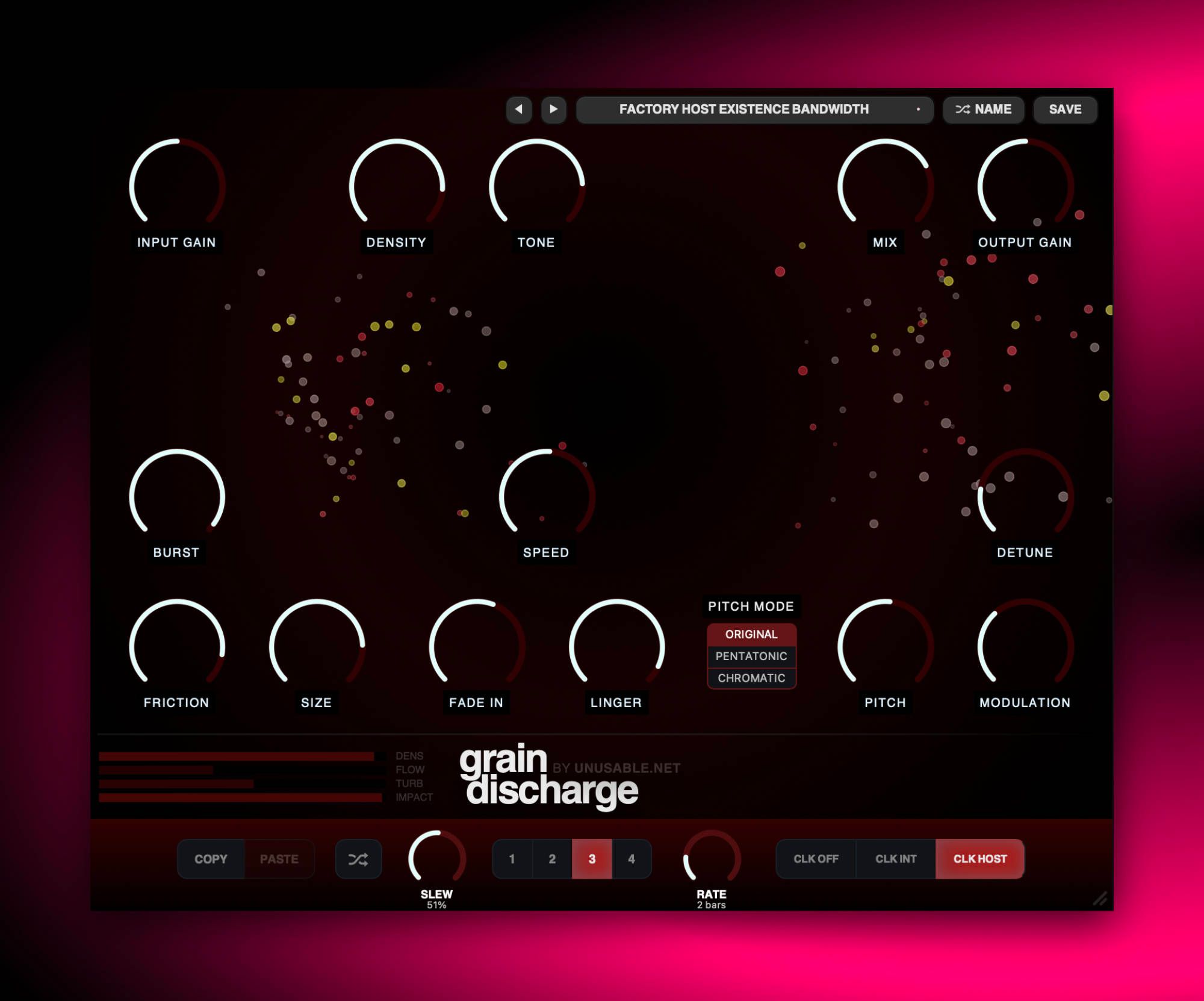
A cavitation-driven granular effect where fluid simulation events spawn grains from recent input audio history.
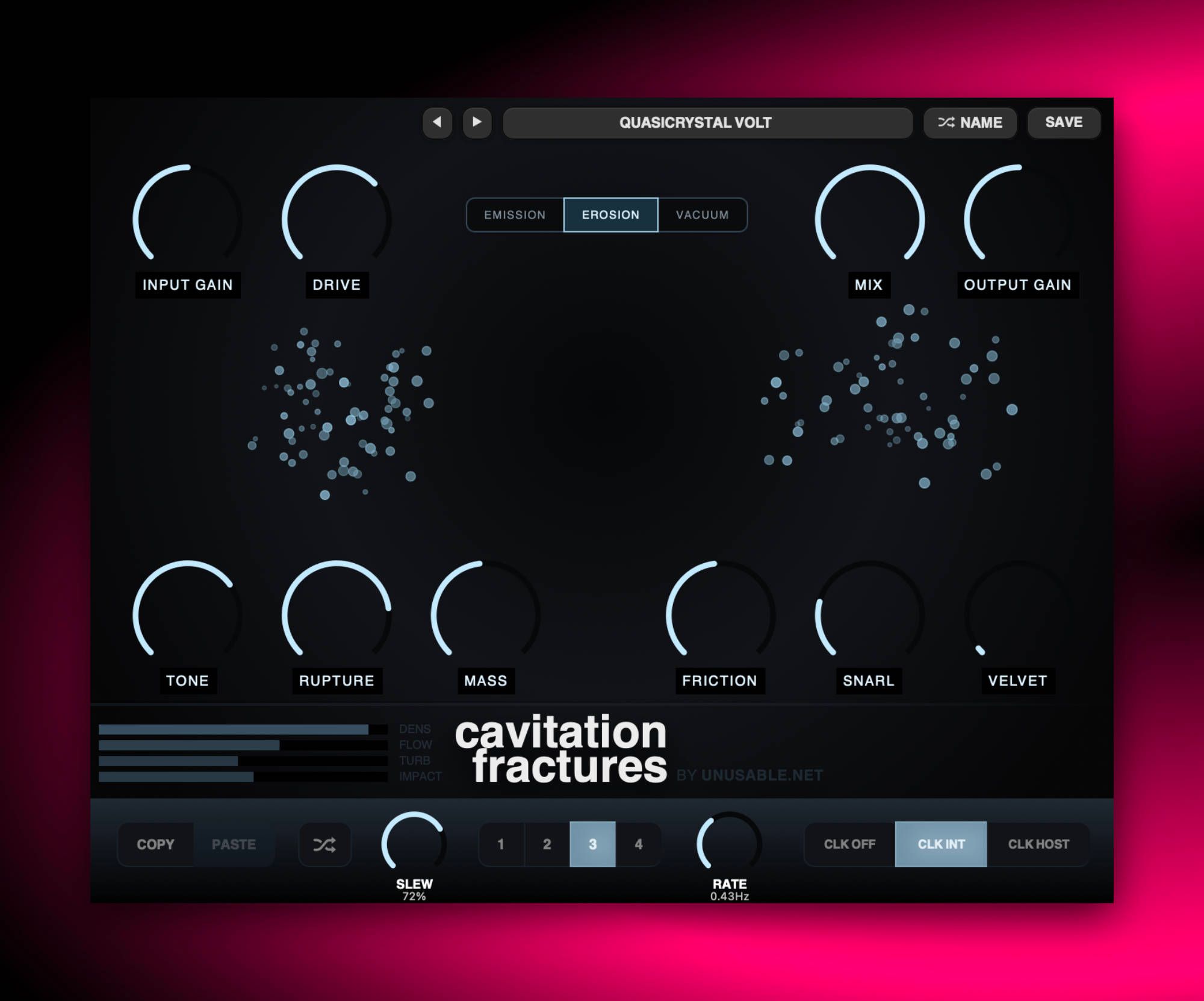
A fluid-dynamics processor that can add fracture, erode narrow bands, or pull event-shaped holes from the signal.
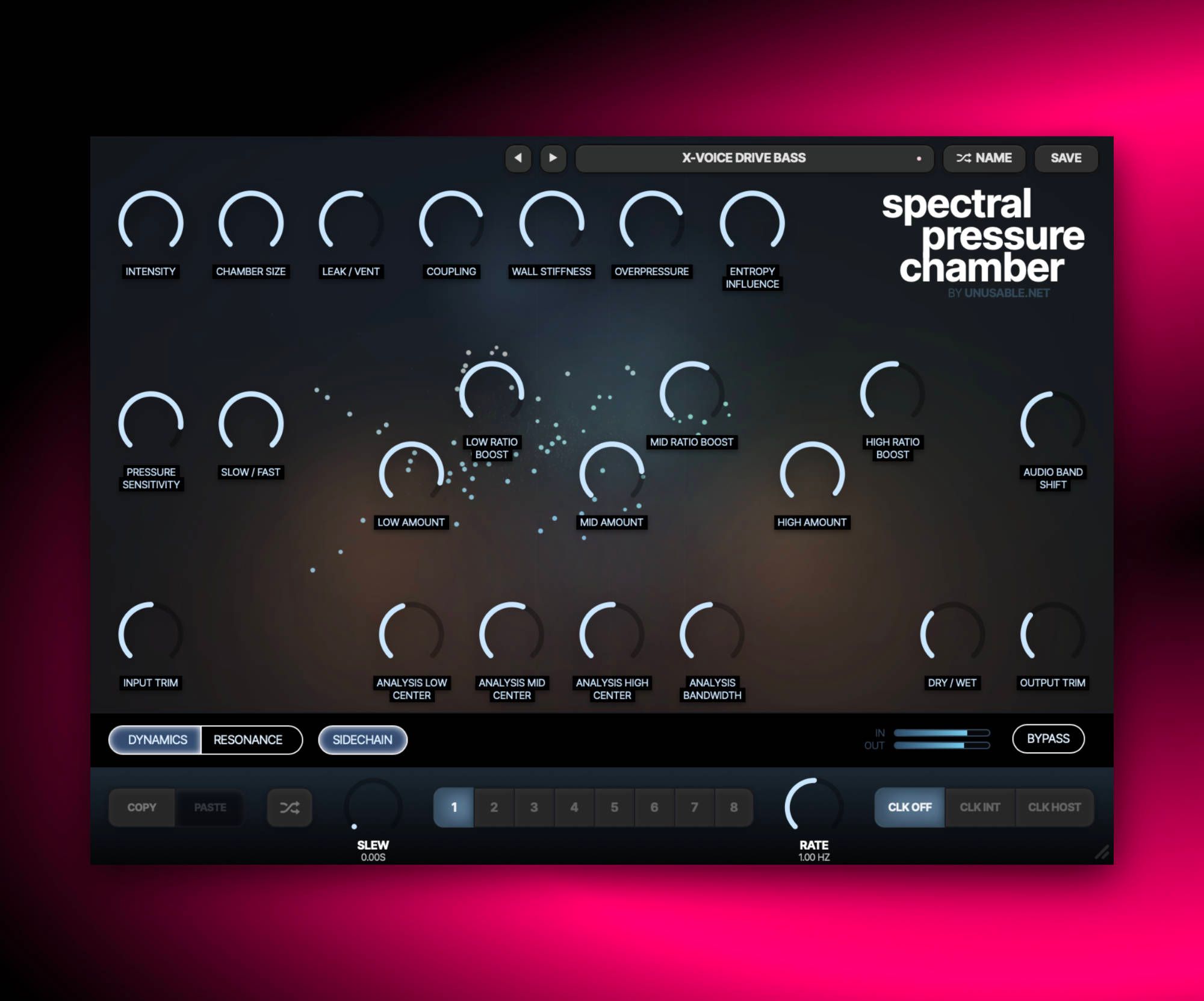
A thermodynamic multiband effect where spectral pressure drives dynamics, saturation, and resonance.
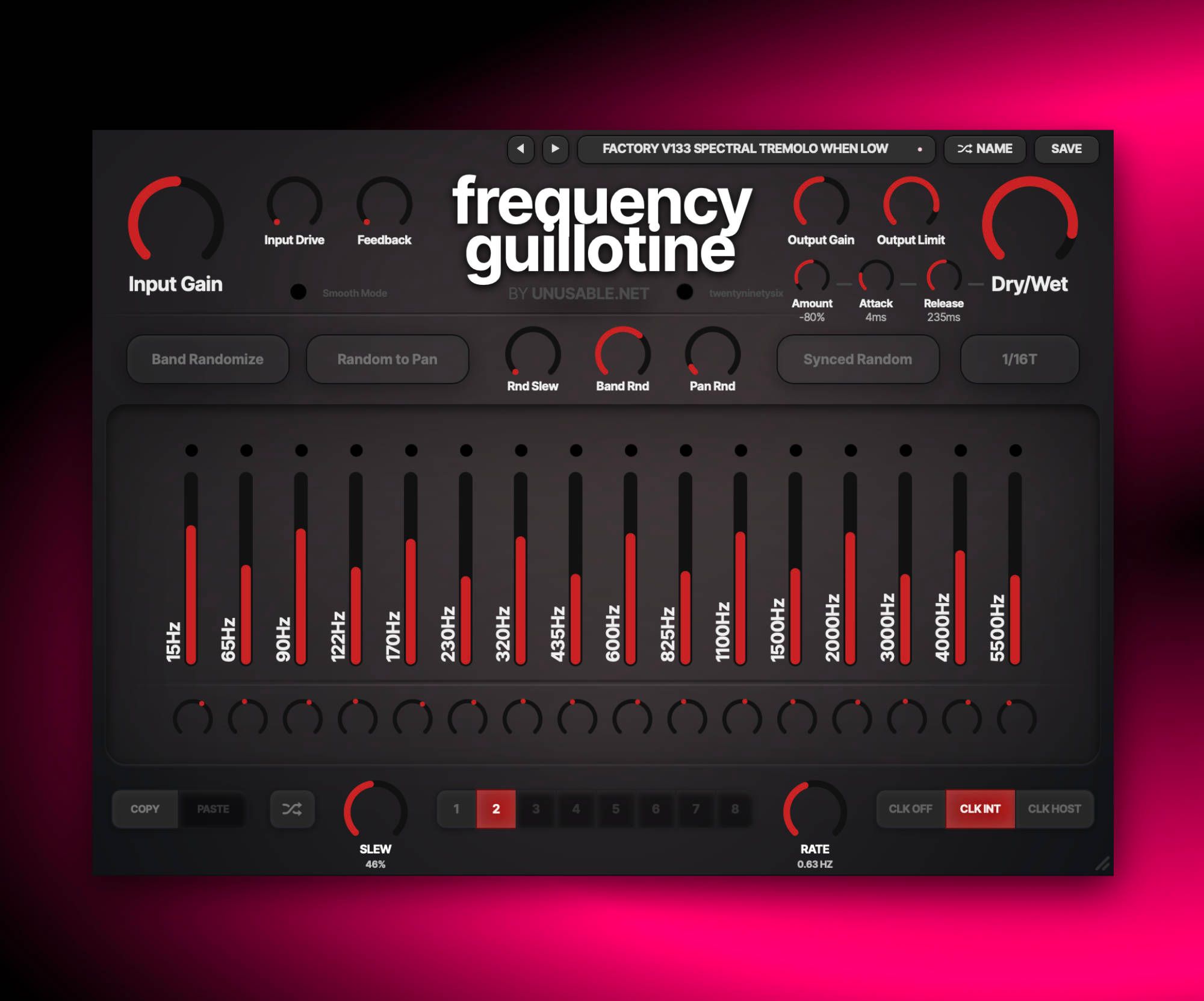
A 16-band spectral slicer for vocoder-style shaping, stereo motion, and rhythmic spectral manipulation.

Dual parallel resonant EQ-like filters with slewed slots, clocked stepping, stereo motion, and harmonic edge.
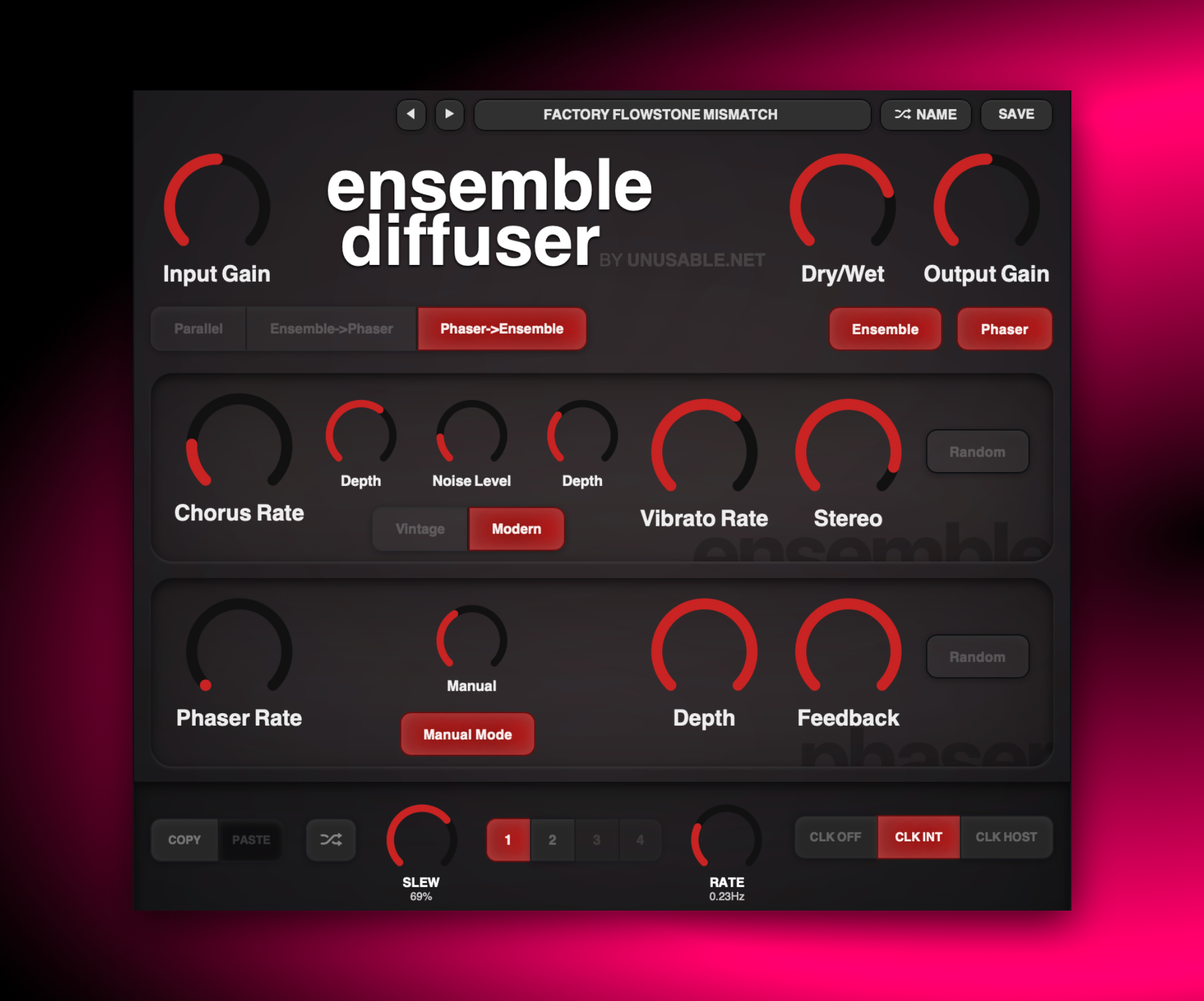
Dual-circuit modulation with stringer-style ensemble motion and hot vintage-inspired phasing.
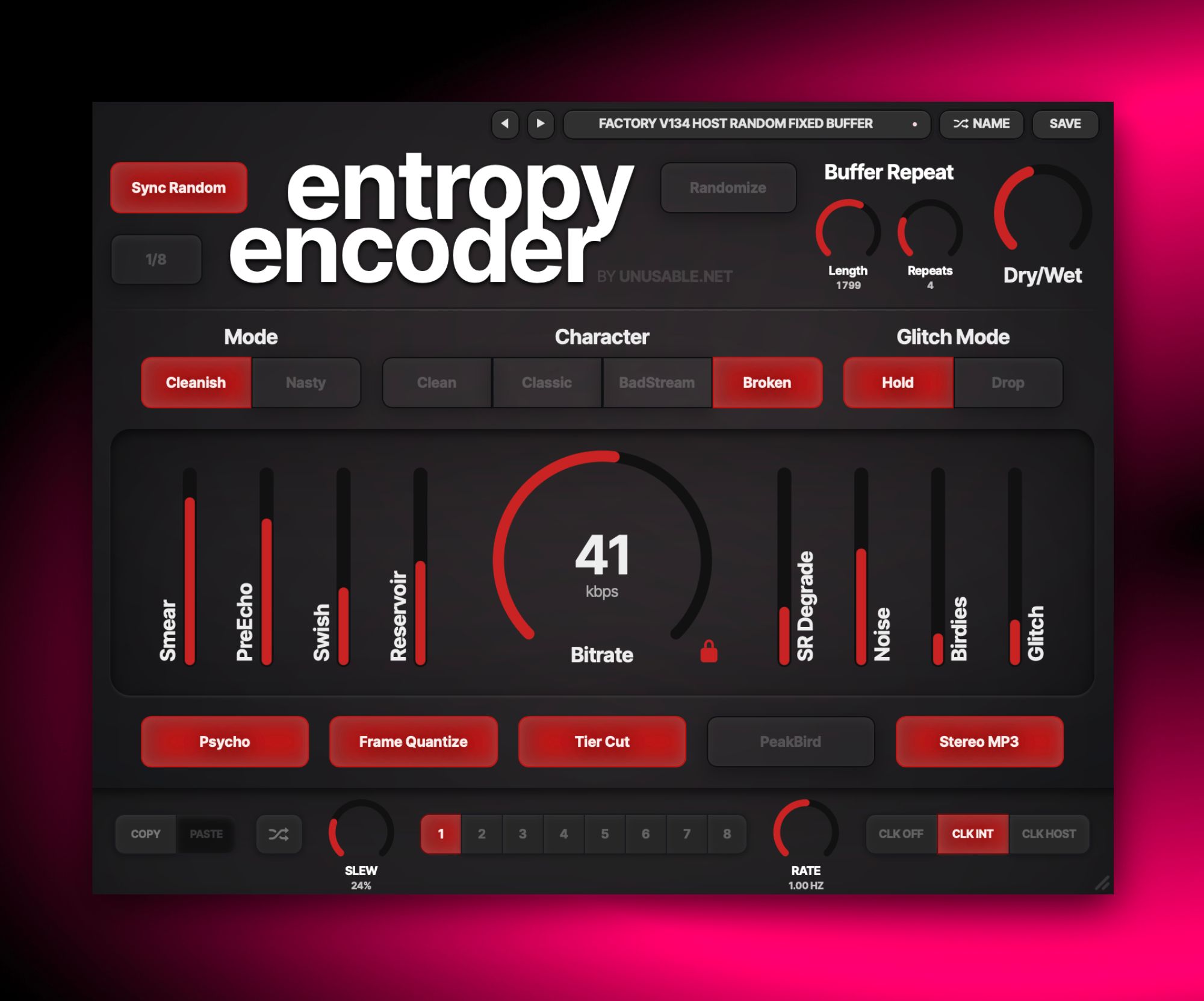
A creative codec-decay effect for digital nostalgia and intentional deconstruction and loss.
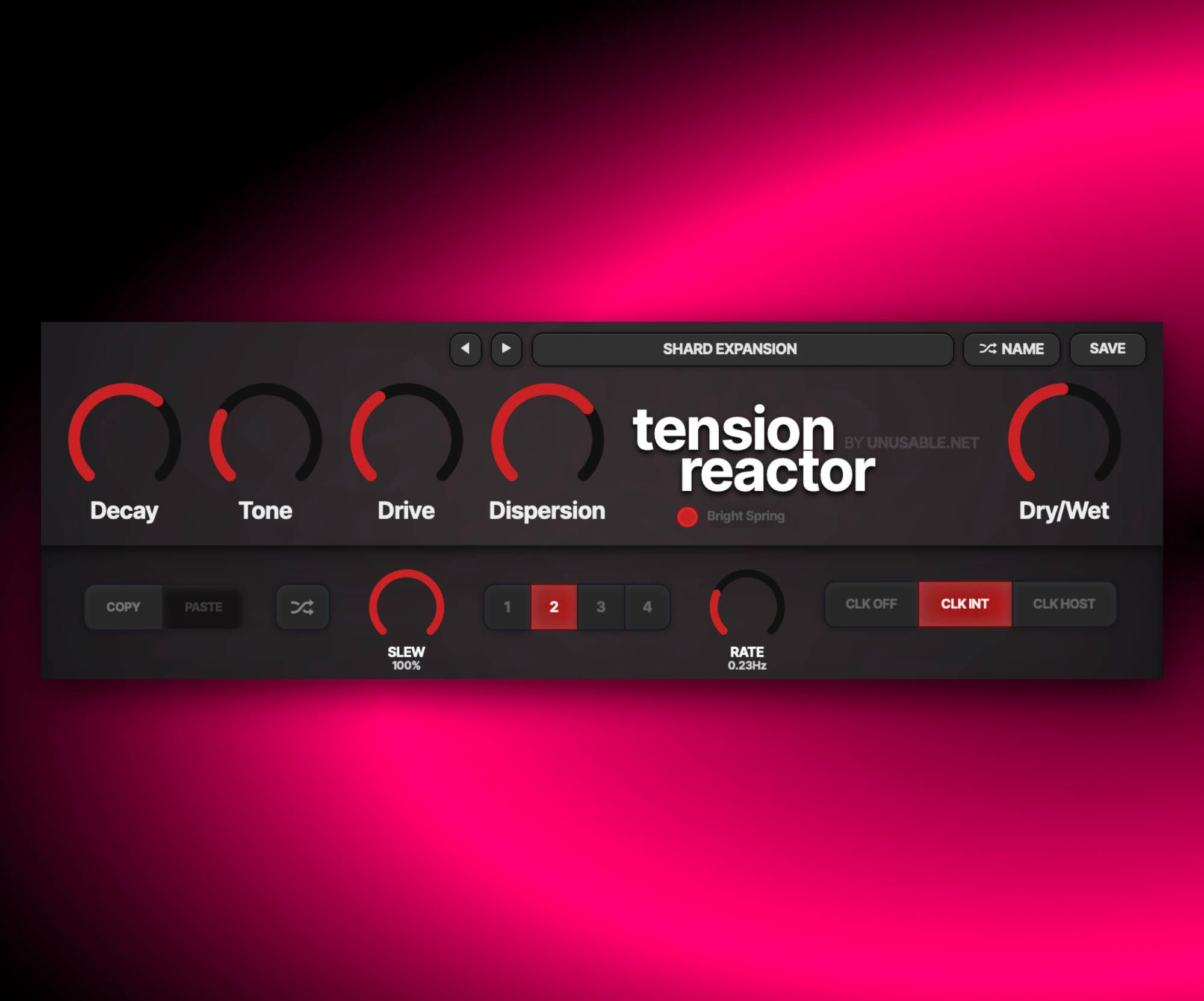
A physically modelled spring reverb with reactive tank behavior, metallic depth, and unstable tails.