What is Tension Reactor?
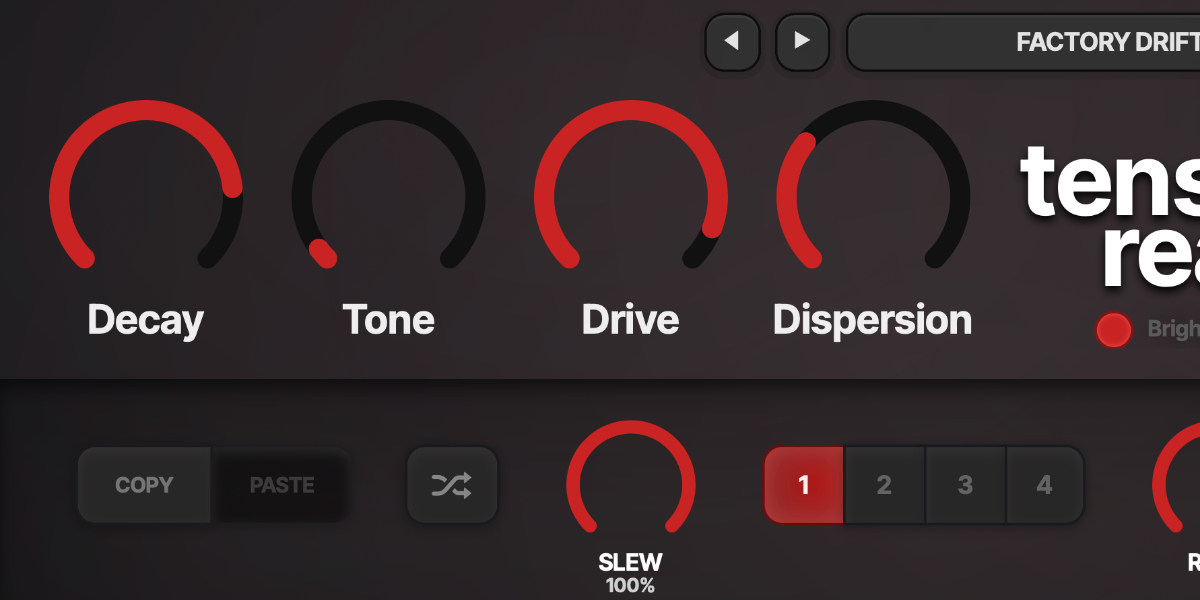
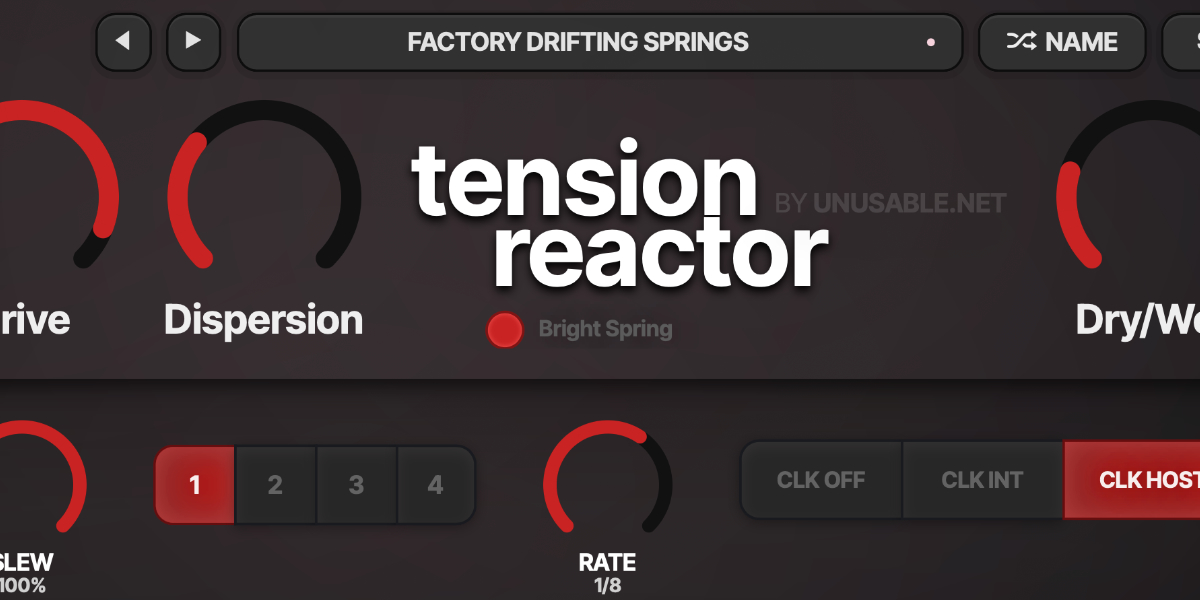
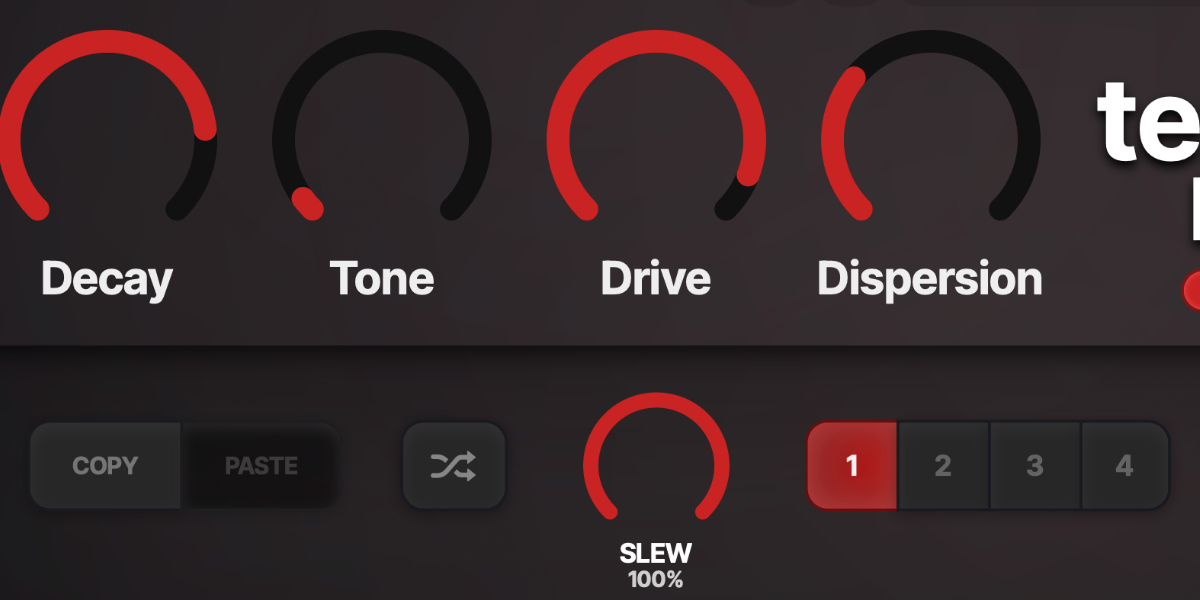
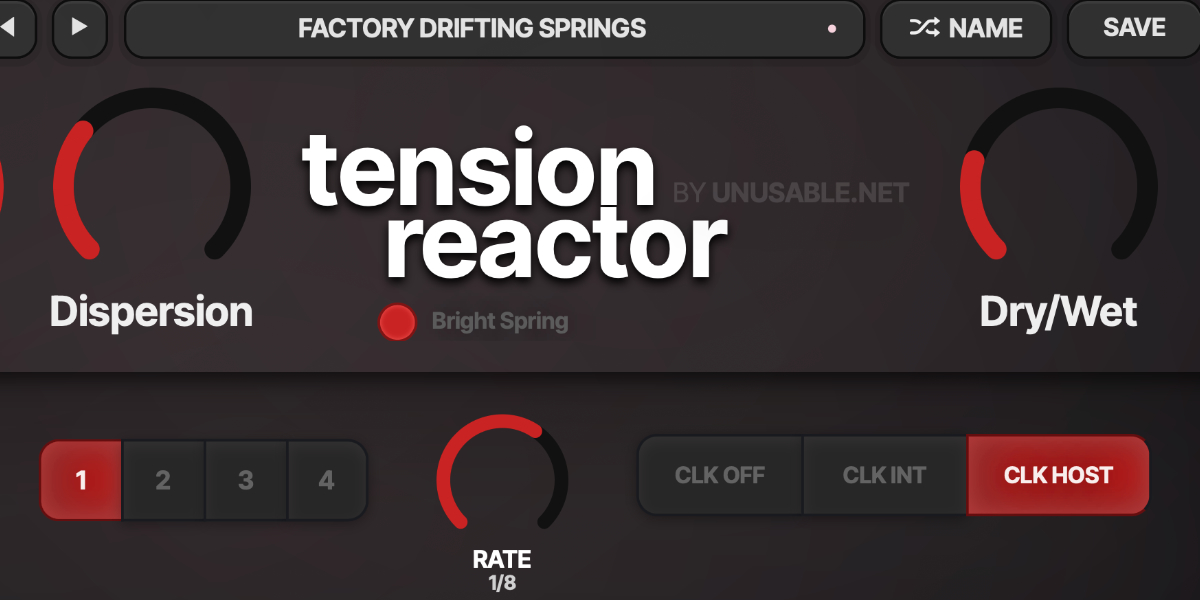
It is a physically modelled spring reverb plugin designed to capture reactive, mechanical spring behavior in a practical production workflow.
A physically modelled spring reverb with reactive tank behavior, metallic depth, and unstable tails.
Tension Reactor is a spring reverb effect built around physical spring modelling and circuit-inspired staging. It is made to capture the mechanical unpredictability of real tank behavior while remaining reliable enough for daily production work.
Three spring paths run in parallel with intentional mismatch, so tails feel wide and alive rather than copied and repeated. Input drive and existing spring motion interact, which means fresh transients can reinforce or cancel ongoing motion in musically interesting ways.
Use it for drums that need metallic space, dub-style synth sends, guitars that benefit from tactile decay, and vocal textures where reverb should sound like hardware tension rather than a clean digital hall.
A quick walkthrough of Tension Reactor covering its functionality, the philosophy behind it, and showing it off on various sound sources.
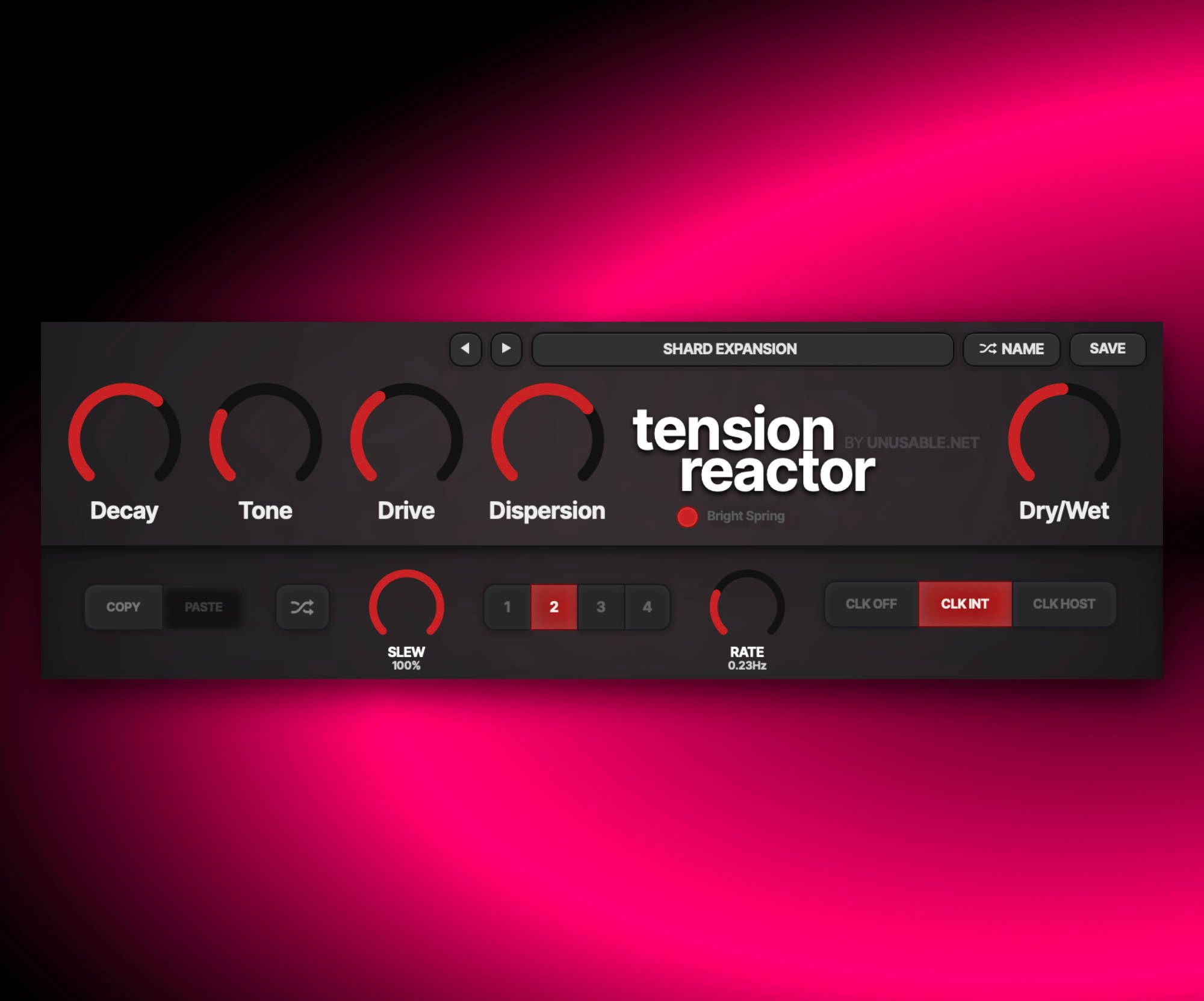
On Tension Reactor, the slot sequencer can behave like a strange twist on classic modulation. Changing drive and tone between slots already gives you a moving spring character, but the more unusual part is dispersion. When that macro control shifts, it effectively changes spring tension and the relationship between the resonant modes, which leads to pitch movement and other slightly broken mechanical artifacts.
That makes the sequencer especially rewarding here. Instead of just automating reverb amount, you can drift between different spring states and let the reverb tail change shape, tension, and color as it moves. Slow slews tend to be the most musical, but even short jumps can produce beautiful little mechanical wrong turns.
Watch slot sequencer videoParallel spring paths with mismatch produce richer, less repetitive tails.
Incoming energy interacts with existing tank motion in real time.
Send, drive, tank, recovery, and output stages preserve spring-like identity.
Great fit for:
Probably not for:
It is a physically modelled spring reverb plugin designed to capture reactive, mechanical spring behavior in a practical production workflow.
It emphasizes stateful interaction between incoming signal and ongoing spring motion, so decay behavior feels less repetitive and more organically reactive.
Producers and mixers who want spring identity with enough control to use it beyond novelty moments.
It adds metallic depth, dynamic chirp, and animated tails that can sit behind a mix or become a featured texture.
macOS 12+, Windows 10/11
macOS: AU/VST3, Windows: VST3
These plugins use detailed real-time processing and are happiest on reasonably recent CPUs, especially when several instances are running at once.
A shared walkthrough of the Unusable slot sequencer system, including how stored states, stepping, and slew can turn a static patch into motion.
A shared walkthrough of the Unusable preset system, with practical tips for saving, naming, organizing, and moving between ideas.
If this plugin fits your workflow, there is a good chance one of the bundles will fit even better and reduce total spend.
Includes 5 products.
Includes 14 products.